My Research


Mission Statement

My research is in the design of efficient algorithms that expand the reliability and efficacy of multi-agent learning systems by grounding them in reinforcement learning and game theoretic principles.


Research Interests


  • Multi-agent Reinforcement Learning
  • Game theory, game-solving in large games, equilibrium selection
  • Game-solving sample-efficiency

Where I Think the Field is Going


  • Incorporation of offline or model-based methods for game-solving
  • Aligning game-theoretic strategies through LLM or human-feedback
  • Using mechanism design (offline or online) to inform AI regulation and policies
  • Incorporating bounded rationality for agent-based modeling


Have Fun Looking Around

Just like research, I tried to make this page (hopefully) appealing and fun. I'm not saying my job is happy and dandy all the time. I just think that "serious" things deserve love sometimes, especially things we care about.


Current Project

Under Review


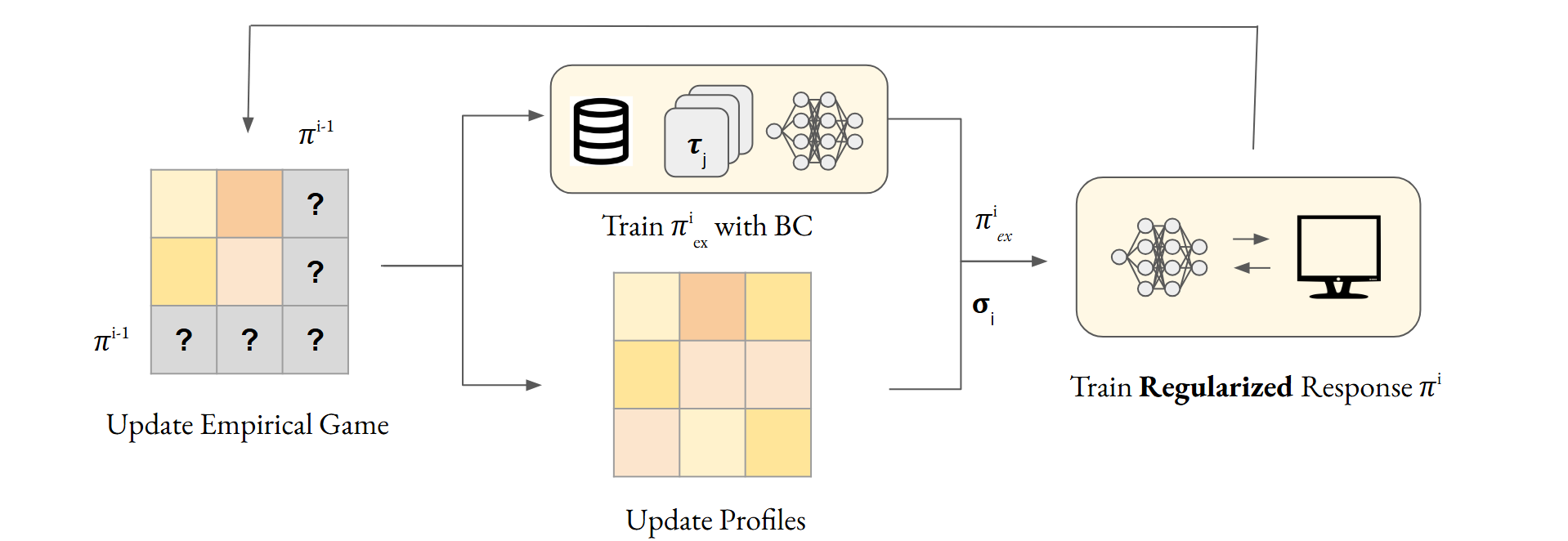
High-Welfare Equilibrium Selection via Behavior Regularization

Accepted at AAMAS GAIW 2025 and ICML 2025 (Poster)

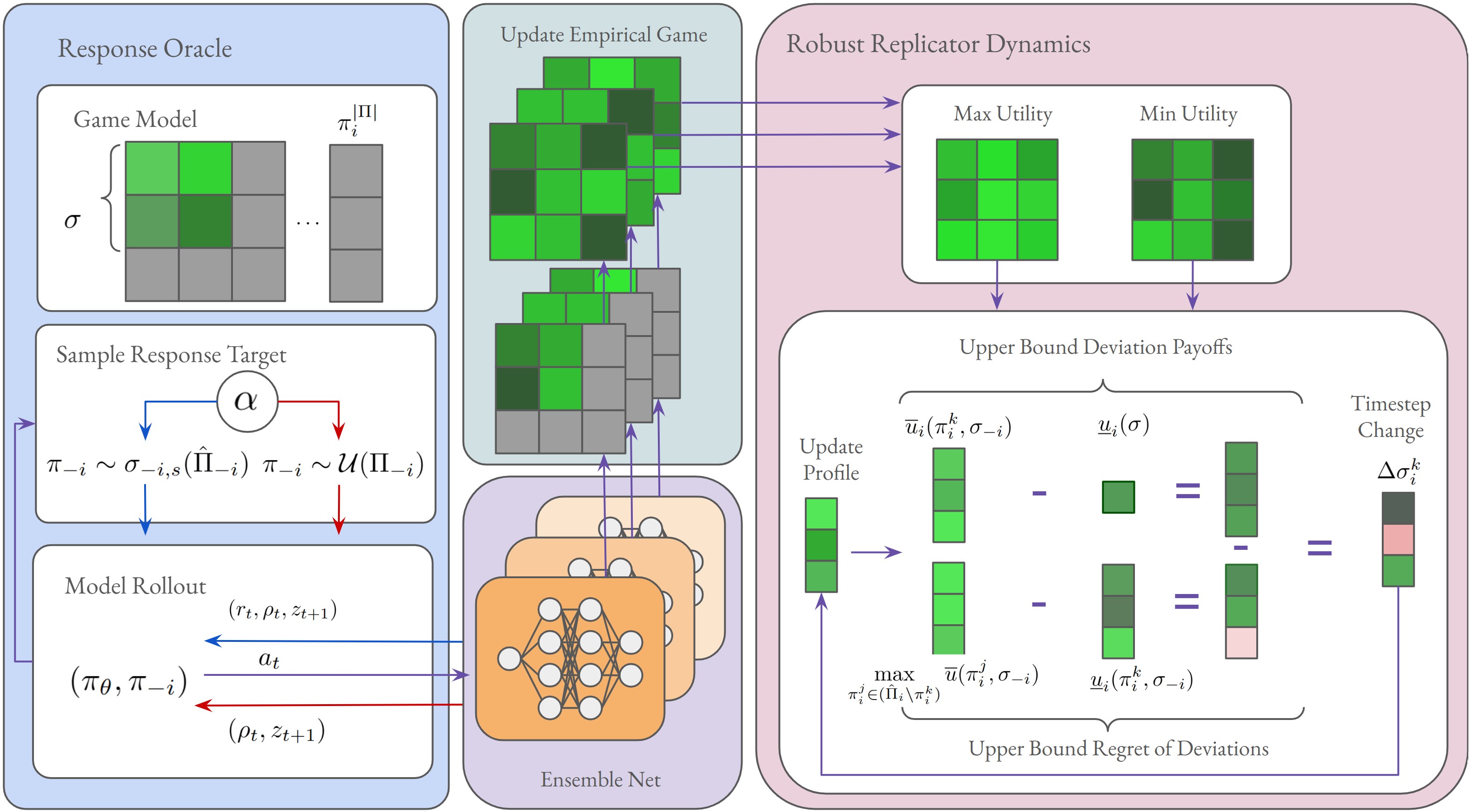
This project extends PSRO to skew strategy exploration towards high-welfare equilibria. Drawing inspiration from behavior regularization in offline RL, Ex2PSRO (Espresso) skews best-responses towards behavior described by a dataset of trajectories gathered during online exploration.


Later Class Projects

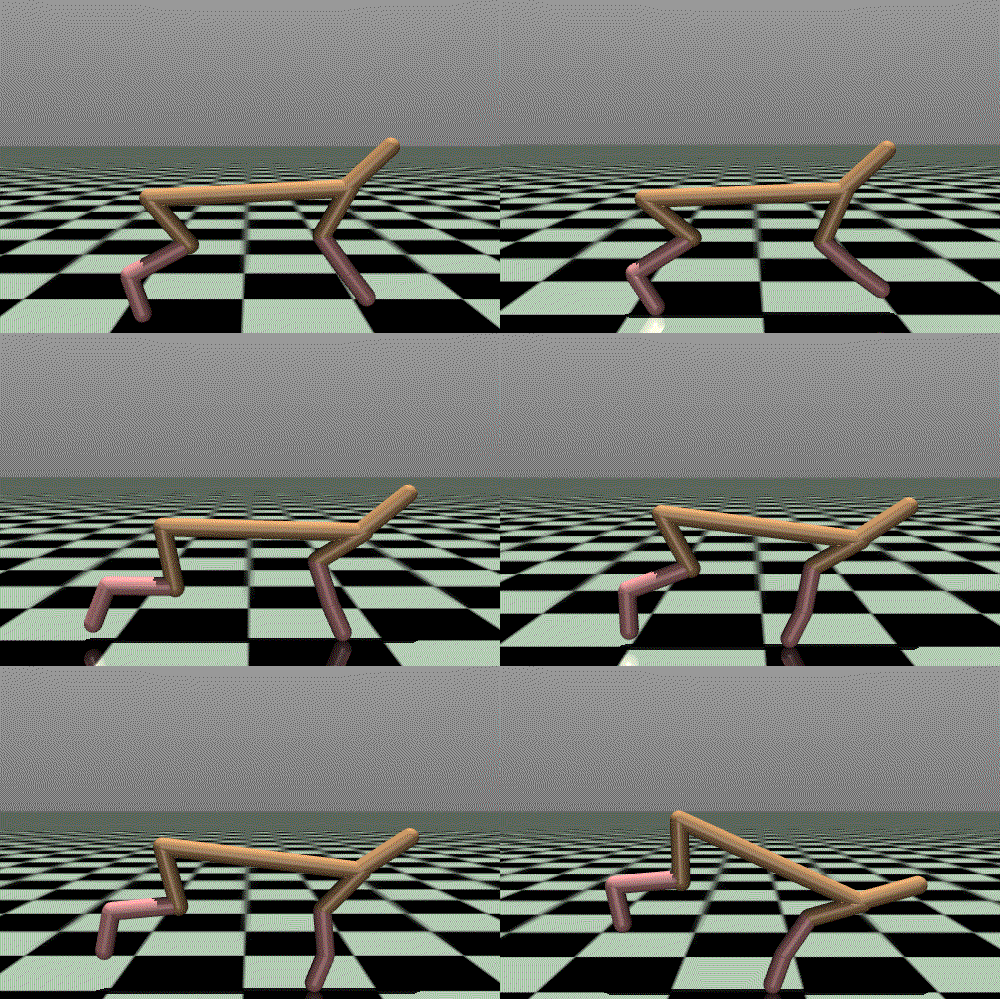
Fully Online Decision Transformer

A good friend of mine and I built upon the recent Decision Transformer (DT) for an NLP class at UMich. We adapted DT to online contexts, training DT tabula rasa with a SOTA online RL algorithm for exploration.

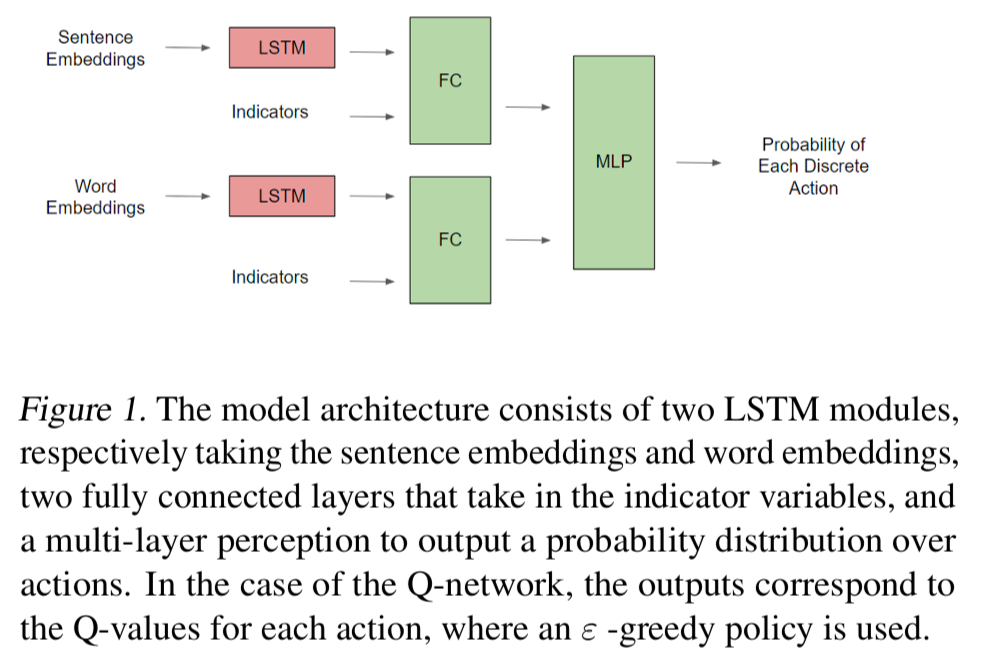
RL for Adversarial Text Generation

A group of friends and I gave our take on adversarial text generation. We used an RL method that adversarially swapped words in input texts to fool state-of-the-art text classification models.

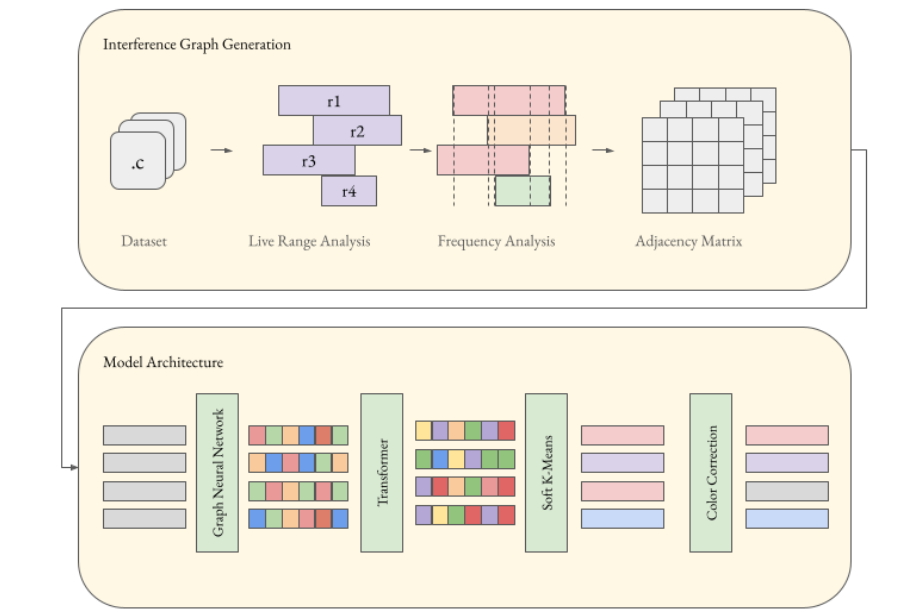
GNN's for Register Allocation

Another group of friends and I applied machine learning to a compiler problem: register allocation. If the problem can be reduced to a graph coloring problem, why not apply machine learning?


Ant-Inspired Decentralized MARL

Undergraduate Honors Thesis

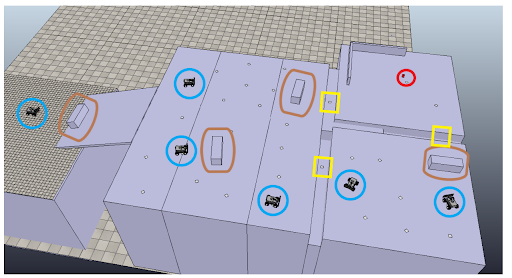
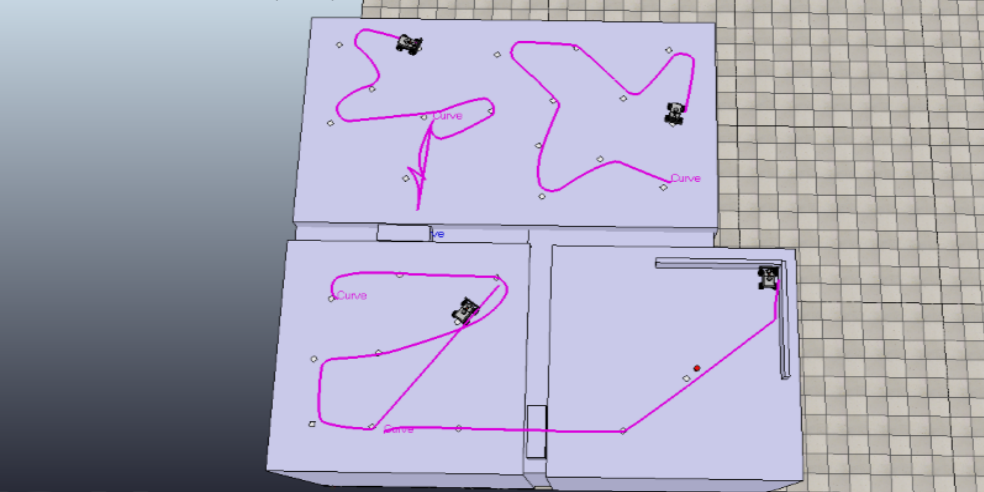
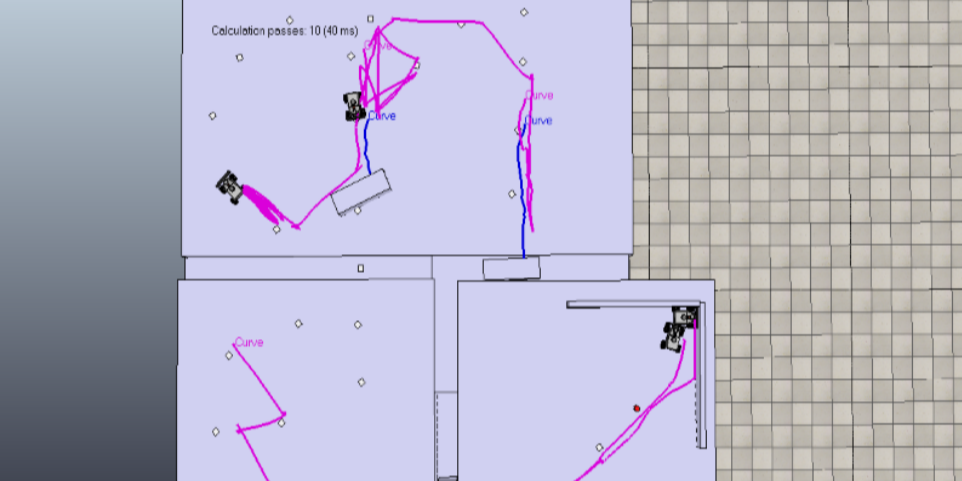
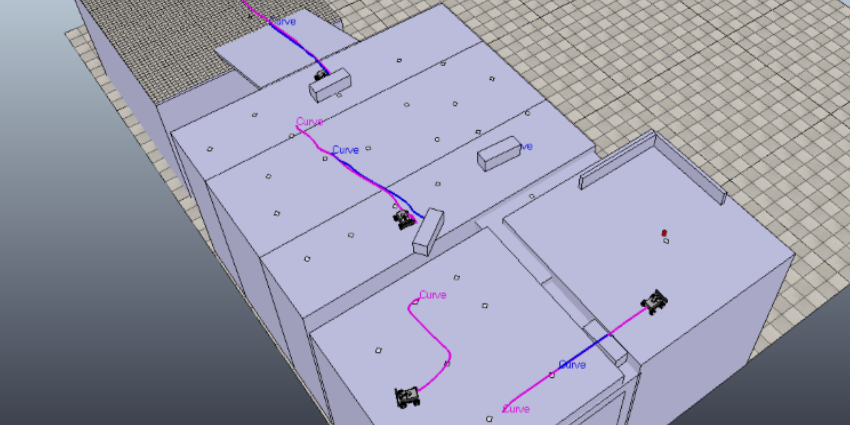
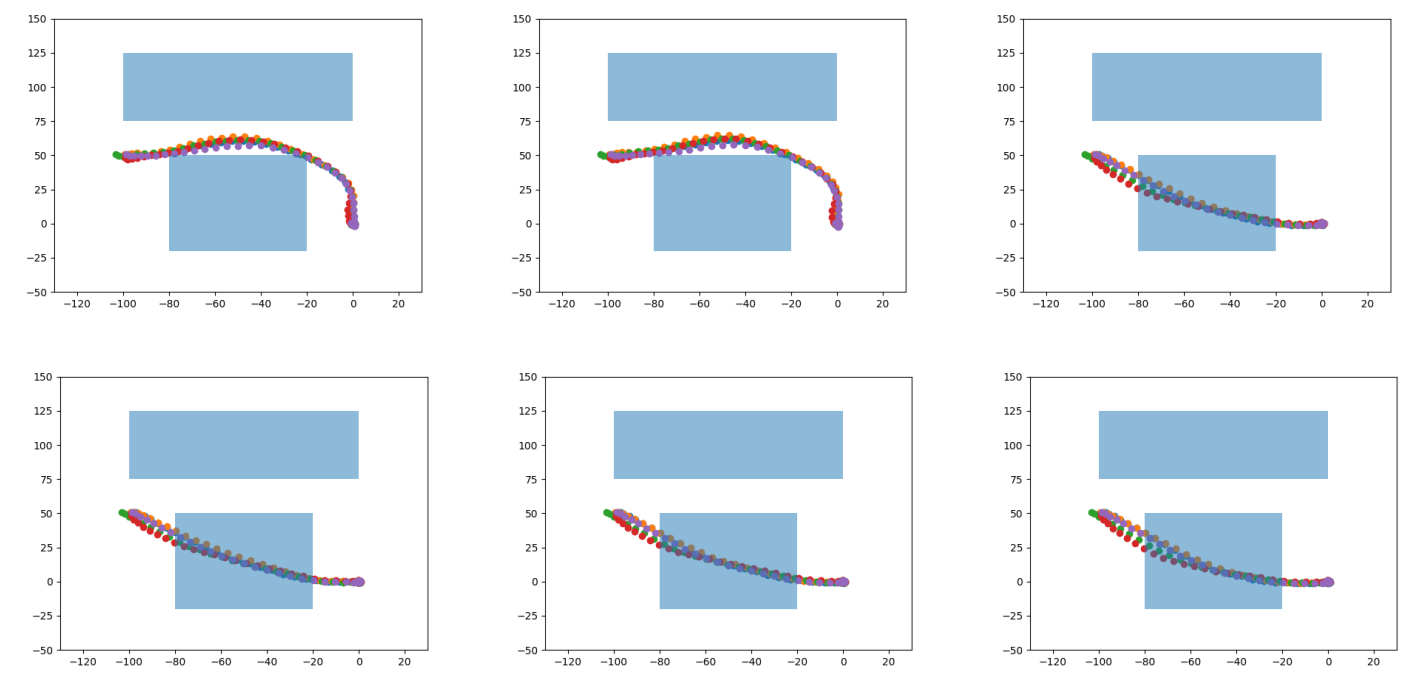
This project created RL agents that imitate how ants communicate through pheromones to induce a desired joint behavior: decentralized coordination through indirect communication. Agents learned how to modify the environment for traversal through single-agent RL and a coordination algorithm to have multiple agents cooperatively navigate to a goal location.

What is Stigmergy?

A mechanism of indirect coordination through the environment, characterized by traces left in the environment by agents to stimulate the performance of succeeding actions by the same or different agents.